The Human Premium: Why Luxury Brands Are Doubling Down on Real Storytelling in 2026
The digital landscape has reached a breaking point. As 2026 feeds become flooded with hyper-polished, synthetic imagery, a massive cultural "pendulum swing" is underway. The industry has a name for this sea of low-effort content: "AI Slop." Officially named Merriam-Webster’s 2025 Word of the Year, "Slop" represents a breaking point for consumers. According to The Business of Fashion’s 2026 State of Fashion Report, audiences are experiencing "attention fatigue" and are increasingly repelled by automated perfection. For high-end labels, the competitive advantage is no longer just the image—it is Authentic Imperfection.
The Backlash is Real: Luxury's "Great Reset"
The financial argument for AI is built on cost reduction, but for luxury heritage brands, that shortcut is a liability. Global houses that replaced artisans with algorithms have faced immediate social media backlash. The consensus is clear: Luxury is defined by effort.
Recent data from the IAB & Sonata Insights 2026 Report reveals a widening "Perception Gap." While 83% of ad executives are rushing into AI, only 45% of Gen Z and Millennial consumers view AI-generated ads positively. Corporate leaders are out of touch; in 2026, the real premium is the refusal to take the shortcut. For high-end labels, the new competitive advantage is Authentic Imperfection.
Case for "Gritty Realism"
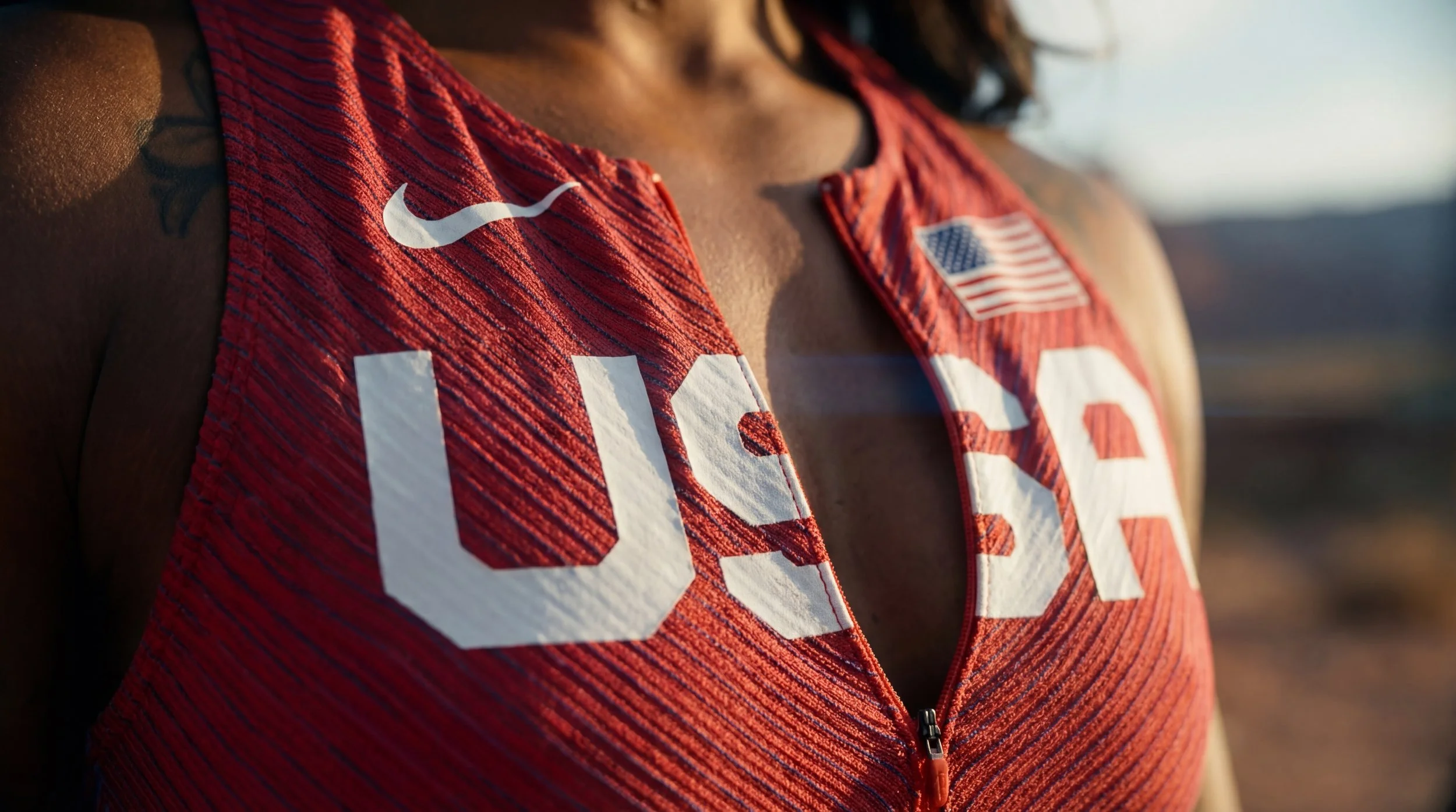
Forrester’s 2026 Trust Index highlights that authenticity is now a measurable growth lever. Brands that cannot prove the integrity of their visuals risk being filtered out by a generation of skeptical consumers. The more we are surrounded by the "unreal," the more we crave reality. No purchasing decision is made with the head; it is always the heart. This is why we lean into "Human Grain"—the intentional motion blur and organic textures that AI is programmed to smooth over. These are the visual cues that bypass digital noise and speak directly to a viewer’s instincts. AI is a powerful tool for mood boarding, but the final narrative belongs to the "gritty" truth of a real lens.

The ROI of "Real"
Beyond the aesthetics, the business case for "Real" is cold and hard. AI struggles with the "Architecture of Desire," often failing to replicate physical accuracy. Business Dasher reports that 22% of product returns occur because the item looks different in person than in the synthetic ad—a direct result of AI-generated textures.
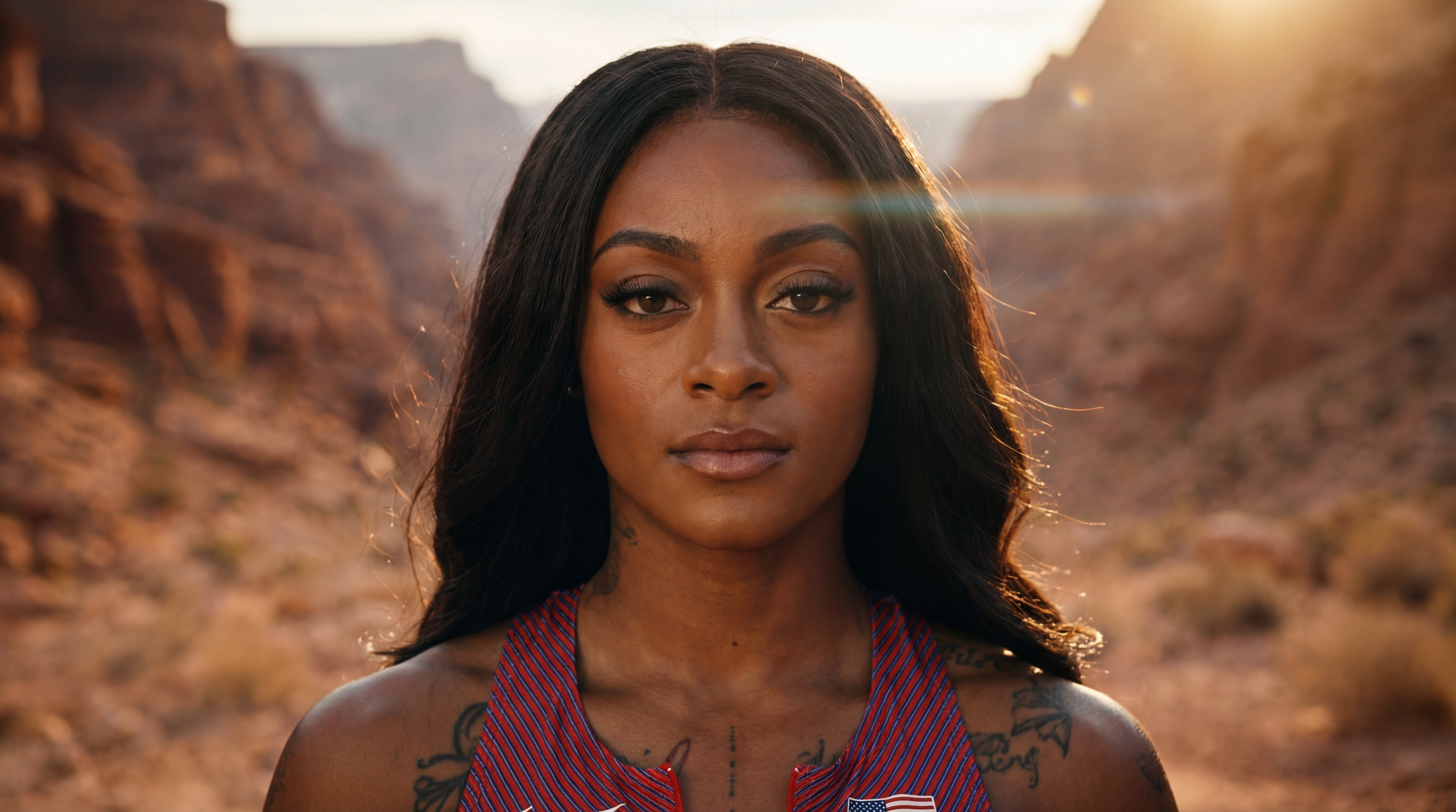
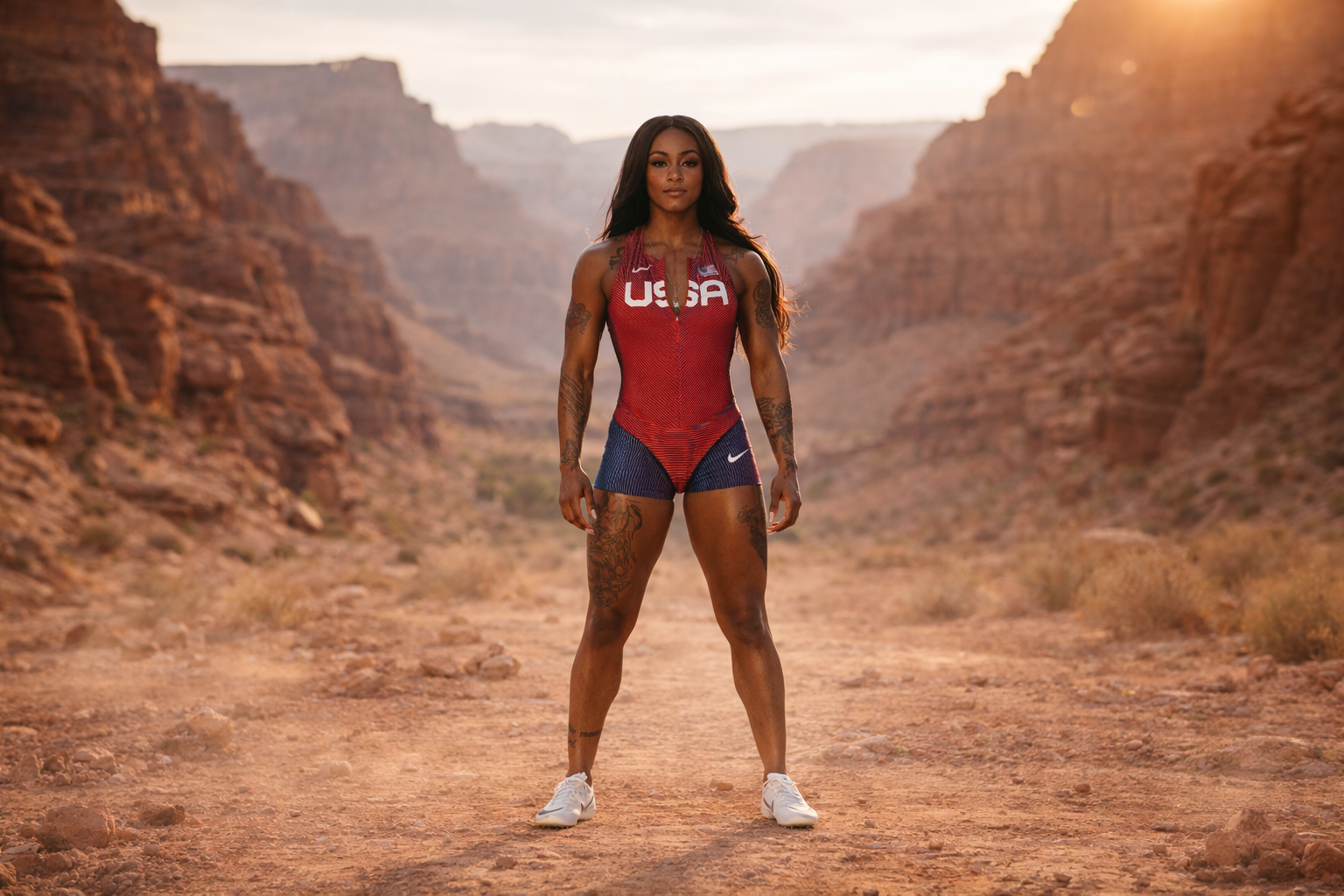
At Foxtrot, we don’t ignore technology; we govern it. We use generative AI to move 10x faster in the Prep phase. As seen in our Sha'Carri Richardson study above, this allows us to align on lighting and motion in a fraction of the time. However, we never let it replace the editorial precision of a shoot. Real humans capture the "in-between" moments that signal Cinematic Realism. Our work for Muji, Alo, and Levi's proves that this realism is what actually converts.
Our takeaway
Trust is the New Currency: 2026 consumers prioritize brands that offer transparency and proof of real human craft.
The ROI of Accuracy: Human-led production isn't just an aesthetic choice; it’s a business move that reduces the 22% return rate caused by misleading AI textures.
Hybrid Efficiency: The modern agency uses AI for Pre-Visualization to find the "Visual North Star," saving the "Human Premium" for the final execution.
E-E-A-T Authority: Both Google and luxury audiences reward Experience and Expertise. We deliver content that doesn't just look expensive—it feels real.
Ready to elevate your brand narrative beyond the "uncanny valley" of AI? Let’s connect to discuss your 2026 campaign strategy.